
Welcome Back!!
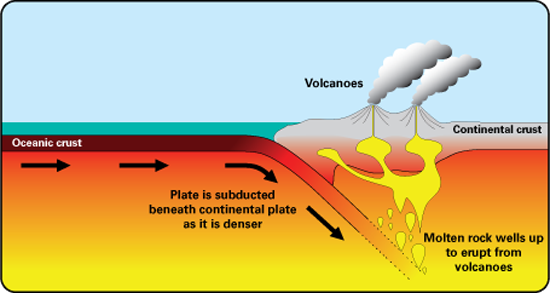
Today we’ll be talking about Earthquakes and Tsunamis. Before we get too carried away, volcanoes do cause earthquakes and tsunamis, just to tie in our first talk with today’s conversation.
Now let’s get back today’s talk, what are Earthquakes?
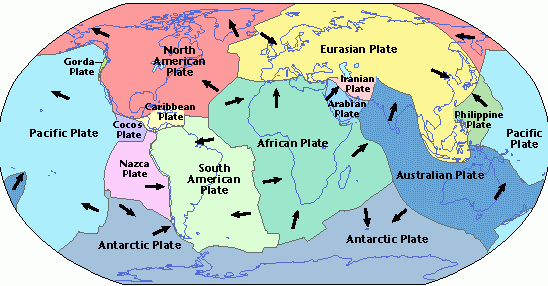
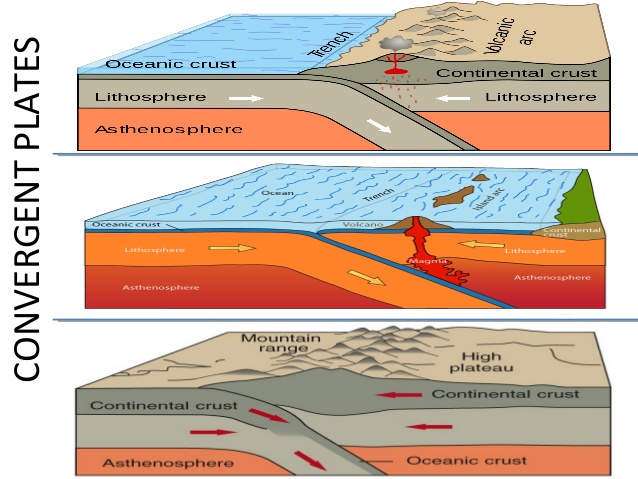
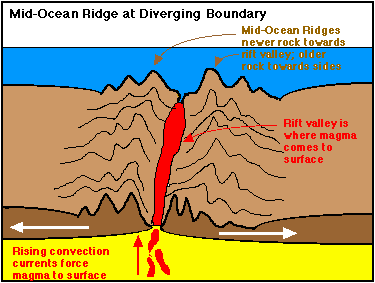
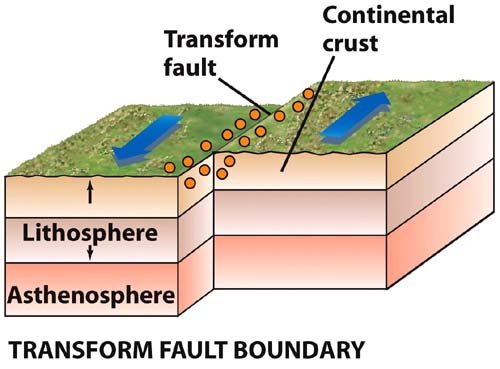
According to environmentguide.org.nz, “Earthquakes are caused by a sudden release of violent ground energy caused either by the shifting of the earth’s crust or volcanic/magmatic activity. Most earthquakes occur when two sides of a fault slide past each other. The crust may either be compressed, pulled apart, moving sideways or a combination of these. The resulting seismic waves are felt as earthquakes. “C
Earthquakes are unpredictable, this makes them even more dangerous. They can cause landslides,tsunamis, flooding and other catastrophic disasters. The shaking of an earthquake can cause windows to break, structures to collapse, fire and other dangers.
The magnitude of earthquakes are measured by a Richter Magnitude Scale. This machine was developed by Charles F. Richter of the California Institute of Technology in 1935. It compares the size of earthquakes, which is determined from the logarithm of the amplitude of waves recorded by seismographs.
Tsunami
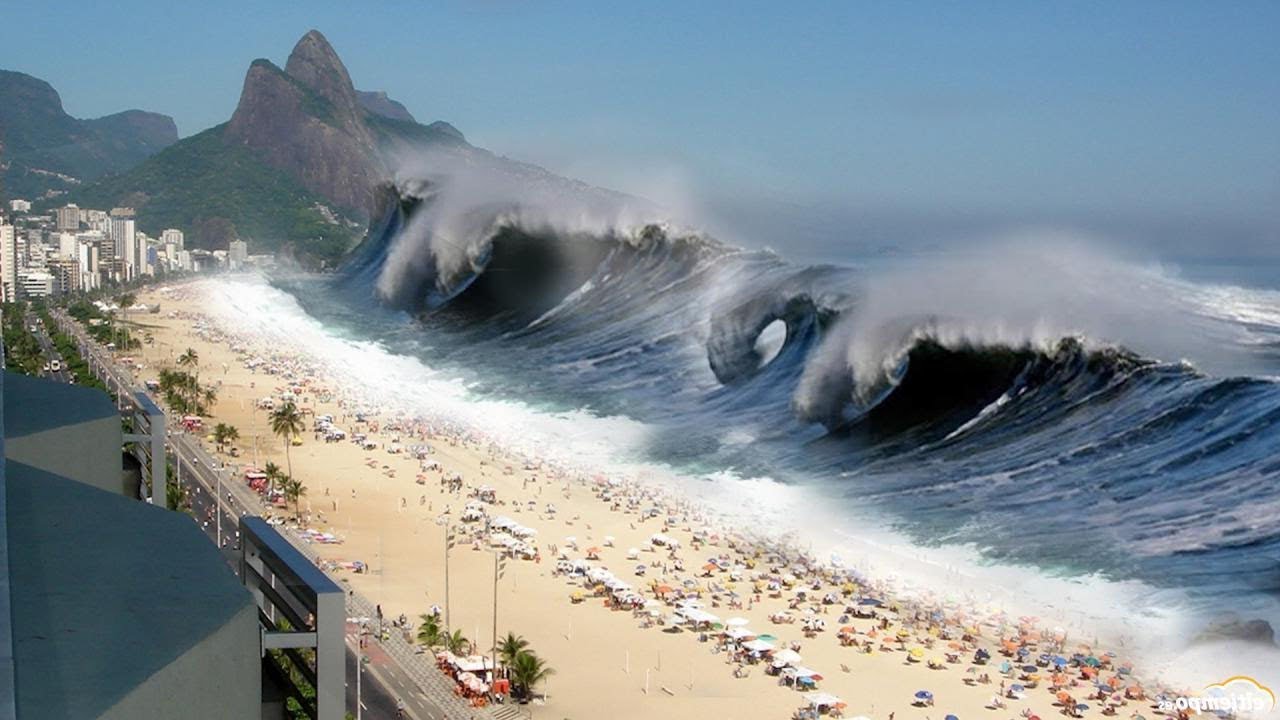
A tsunami is series of ocean waves that sends surges of water, often surpassing 100 feet on land. These mighty waves can cause widespread destruction when they crash ashore.
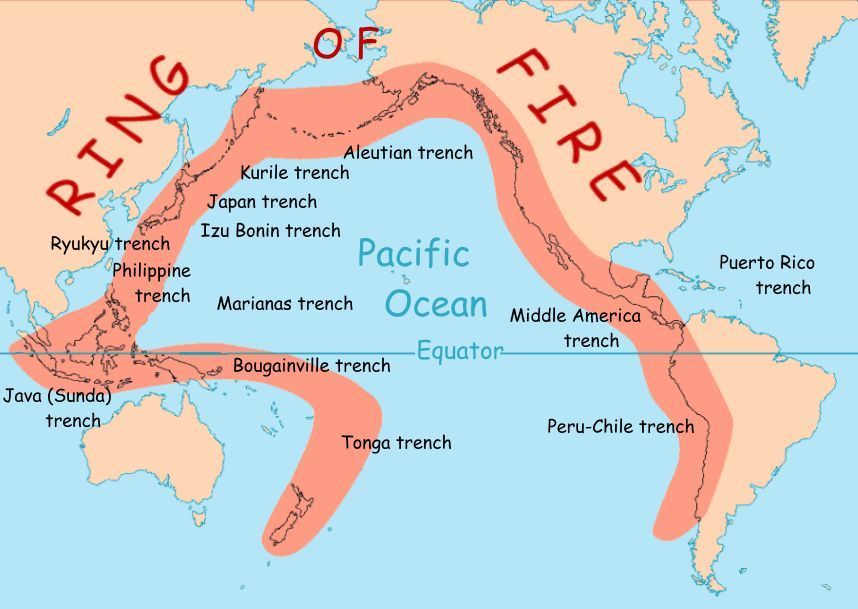
Tsunamis are cause by undersea earthquakes at tectonic plate boundaries, underwater landslides or volcanic eruption. Whenever, the ocean floor at a plate boundary rises or falls suddenly, it displaces the water above it and launches the waves that becomes a tsunami. Whilst, deep in the ocean tsunami waves appear small, however as they approach the shoreline they slow down and grow in energy and height. Upon approaching the shore the low point of beneath the wave’s crest often reaches first. When this happens , it produces a vacuum effect that sucks coastal water seaward, exposing harbor and sea floors. This is usually a warning sign of an oncoming tsunami, as the wave in its enormity usually return five minutes or more later. A tsunami is usually composed of a series of waves, called a wave train, the destructiveness of a tsunami increases with each wave.
Do hope you found this talk informative, please share what you know about earthquakes and tsunamis. I would love to know of any close encounters, do share your own thoughts and experiences.
Until next time the talk….continues!
References
https://kids.nationalgeographic.com/explore/science/earthquake/#earthquake-houses.jpg
https://www.nationalgeographic.com/search?q=earthquakes
https://simple.wikipedia.org/wiki/Richter_scale
https://www.nationalgeographic.com/environment/natural-disasters/earthquakes/
https://www.nationalgeographic.com/environment/natural-disasters/tsunamis/


 Just Talk with Lady Ann
